What welding processes does Wintegral offer?
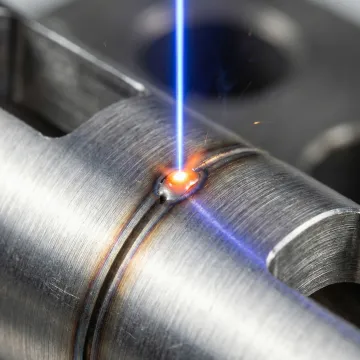
We provide six advanced welding technologies: laser welding, TIG welding, micro-plasma welding, micro-GT welding, micro-cladding, and hybrid laser-micro GT welding. This multi-process capability allows us to select the most economical and technically appropriate method for your specific application, material, and tolerance requirements.
Can you weld very small or delicate components without damage?
Yes. Our micro-welding capabilities are specifically designed for miniature, thin-section, and sensitive components. Using controlled heat input and precision positioning under microscope guidance, we routinely weld sensors, medical devices, wire assemblies, and R&D parts where conventional welding would cause distortion or material degradation.
Do you provide welding services for prototypes or only production volumes?
We support both. Our services range from single prototype welds and small batch production (10-100 parts) to ongoing contract manufacturing. We're equally equipped to handle R&D development work, where flexibility and technical collaboration are essential, and high-volume repeat production requiring documented procedures and consistent quality.
Are your welders certified, and do you follow documented welding procedures?
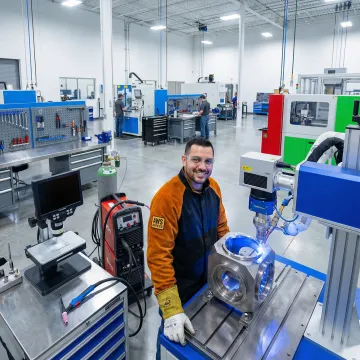
Yes. All critical welding operations are performed by AWS-certified welders following established welding procedure specifications (WPS). We maintain documentation, traceability, and quality controls that align with aerospace, medical, and industrial manufacturing standards, ensuring repeatable and inspection-ready results.
What materials can you weld?
We weld a wide range of engineering materials including stainless steel, aluminum, titanium, tool steels (H-13, P-20, D2, etc.), carbon steel, beryllium copper, and other non-ferrous metals. Material compatibility and weld procedure development are part of our technical consultation process.
Can you repair worn or damaged moulds, dies, and cutting tools?
Absolutely. Our Mould & Die Repair Division specializes in restoring plastic injection moulds, pressure die-casting dies, indexable cutting tools, and precision tooling using laser welding and micro-welding techniques. We repair damaged pockets, cutting edges, worn surfaces, and broken features to original tolerances with minimal heat-affected zones.
How long does a typical welding project take?
Turnaround time depends on component complexity, weld requirements, and current workload. Simple repairs and prototype welds can often be completed within days, while complex tooling repairs or production setup may take 1-2 weeks. We provide realistic delivery timelines after technical evaluation and prioritize urgent or production-critical jobs.
Do you offer onsite welding services, or must parts be sent to your facility?
Most welding work is performed at our Bengaluru or Pune facilities where we maintain controlled environments and specialized equipment. However, we do offer onsite mould and die repair services in select cases. Components can be shipped to us, and for outstation customers, we provide inspection images before dispatch to ensure satisfaction.